Introduction to Cloud Computing for Modern Businesses
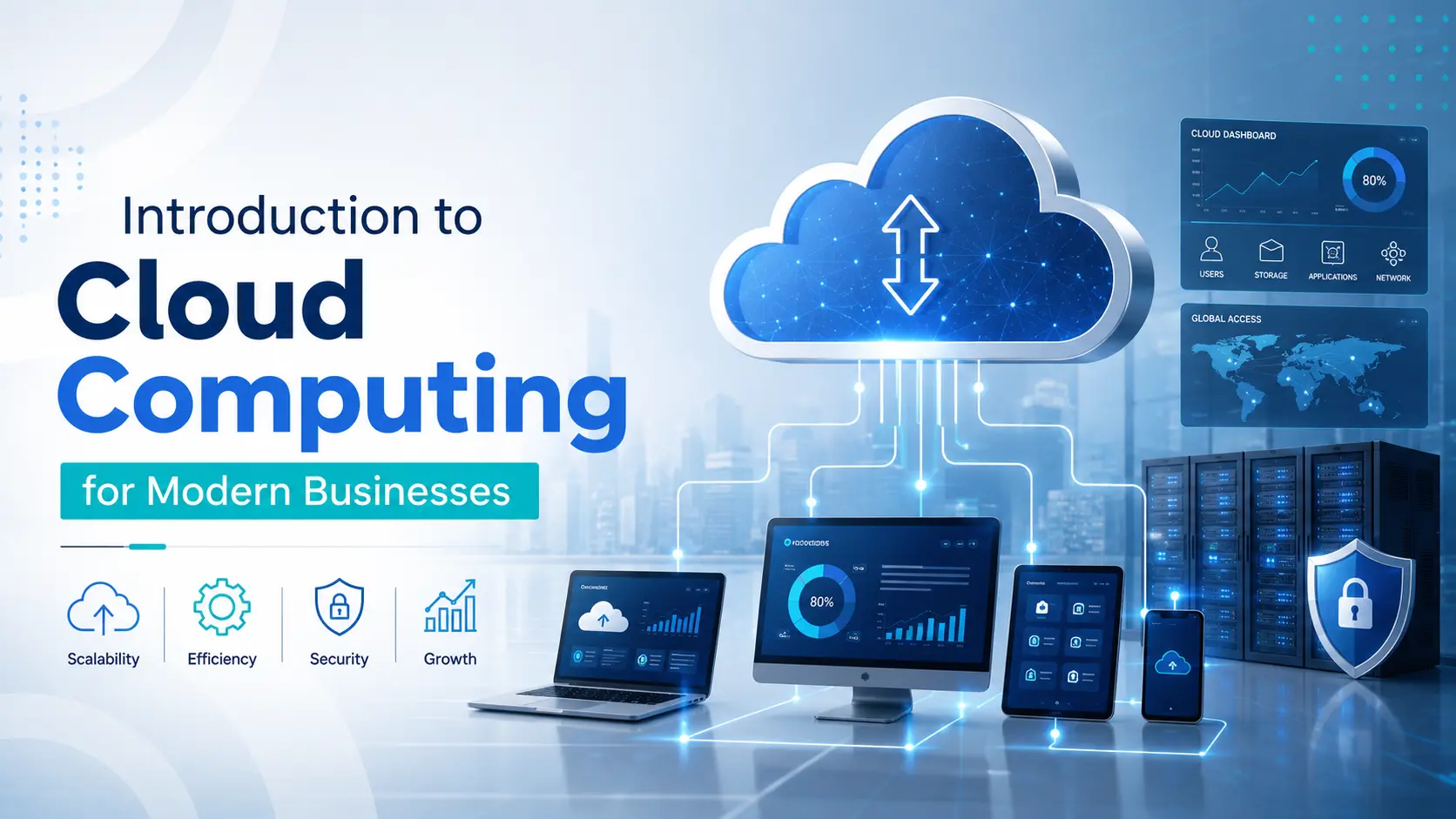
Cloud computing has revolutionized how businesses operate, offering scalable solutions that grow with your needs. Whether you are a startup or an established enterprise, understanding cloud fundamentals is essential in today's digital landscape.
What is Cloud Computing?
Cloud computing delivers computing services—including servers, storage, databases, networking, software, and analytics—over the internet ("the cloud"). Companies offering these computing services are called cloud providers and typically charge for cloud computing services based on usage, similar to how you're billed for water or electricity at home.
Key Benefits
- Cost Efficiency: Eliminate capital expenses on hardware and software
- Scalability: Scale resources up or down based on demand
- Reliability: Data backup, disaster recovery, and business continuity
- Performance: Global network of secure data centers
- Security: Broad set of policies, technologies, and controls
Types of Cloud Services
Most cloud computing services fall into three broad categories:
- IaaS (Infrastructure as a Service): Rent IT infrastructure—servers, virtual machines, storage, networks
- PaaS (Platform as a Service): Development environment with tools to build, test, and deploy
- SaaS (Software as a Service): Software applications on demand, usually subscription-based
Getting Started
Moving to the cloud doesn't have to be overwhelming. Start with a cloud readiness assessment, identify which workloads to migrate first, and choose the right cloud provider for your specific needs. As an IBM-certified Application Developer, I help businesses navigate this transition smoothly.
Ready to move your business to the cloud? Contact me for a consultation.
0 Comments
No comments yet. Be the first to comment.